JJ X-ray Products

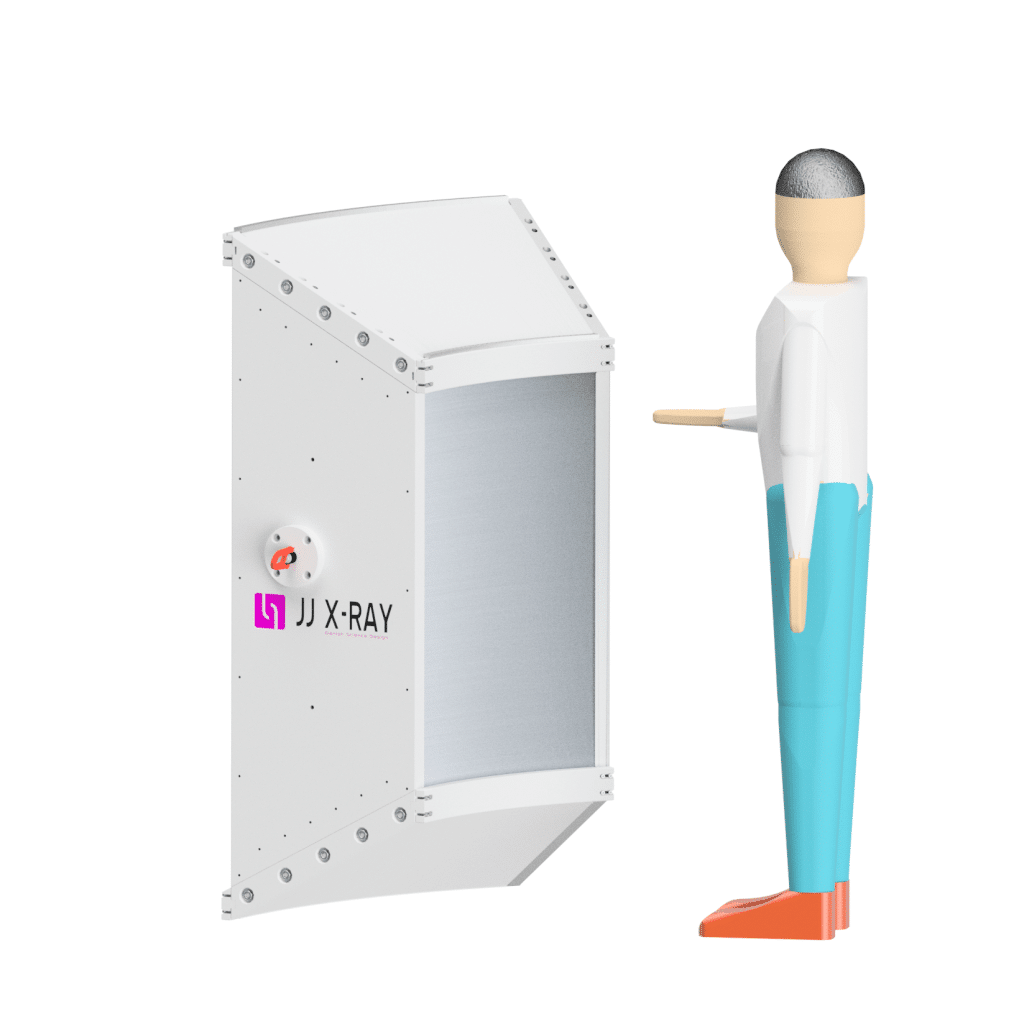
3D Printed Collimator

5 Axis Alignment Stage

AT-C30-HV
AT-C8-HV
AT-F7-AIR

AT-F7-HV

Attenuator

BIU-Beam Imaging Unit

Cividec UHV Manipulator

Compact White Beam Slit
Custom-sized Air Slits
Custom-sized HV Slits

Diamond Laue Monochromators

Diamond Lenses
Double Converging Collimator

Double Crystal Monochromators

End Stations

FXE Beamline Solution
Girder System

Gridded Ion Chamber
Heavy Load Lifting Stage

Heavy Load Table
IB-C120-AIR
IB-C140-AIR

IB-C160-AIR

IB-C180-HV

IB-C22-HV
IB-C30-AIR
IB-C30-HV
IB-C30-UHV
IB-C50-AIR
IB-C50-AIR for vacuum

IB-C50-HV

IB-C60-AIR

IB-C80-AIR
IB-C80-HV

Intensity Position Monitor

Johann-type Spectrometer

Mirror Chambers
Mirror Positioning Systems
Monolithic Stage
Motion Control Systems
Multi-Pinhole Apertures

Neutron Soller

Nickel/ Aluminum Lenses
Non-magnetic Slits
Optical Alignment Table
Pink Beam Slits – 50W
Pitching Slit – Ceiling Mounted
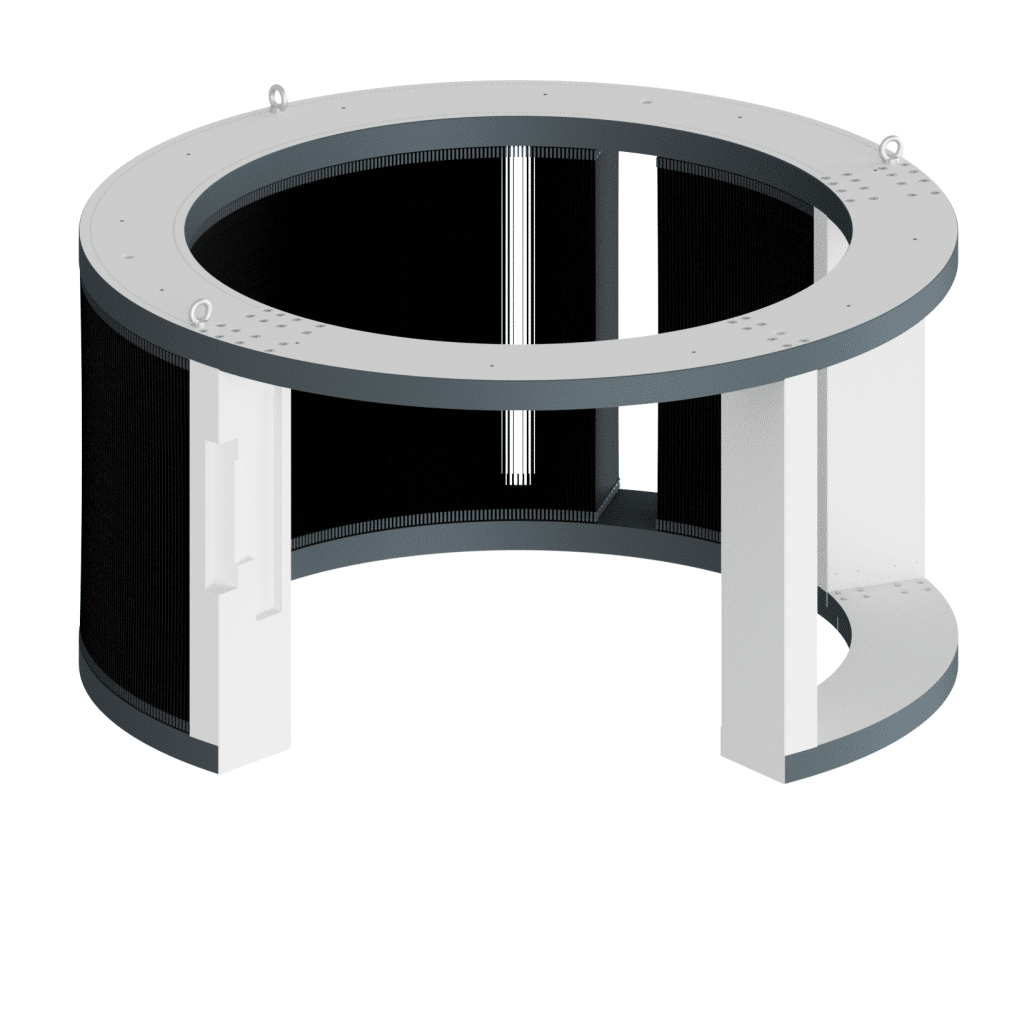
Radial Collimators
Sample Stacks
Single Crystal Blades

Single Crystal Monochromators

Soft X-ray Reflectometer

Spectrum Analyzer
Steel Slits

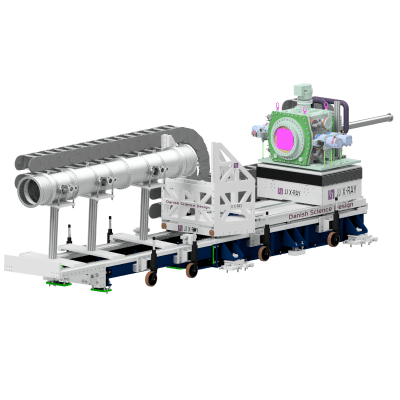
Transfocator Systems

Von Hamos Spectrometer
Wedge-Based Heavy load YZ-Stage
White Beam Slits – Up to 4000W
X-ray Soller
XBPM – X-ray Beam Position Monitor
XY-Stage
Z-Stage








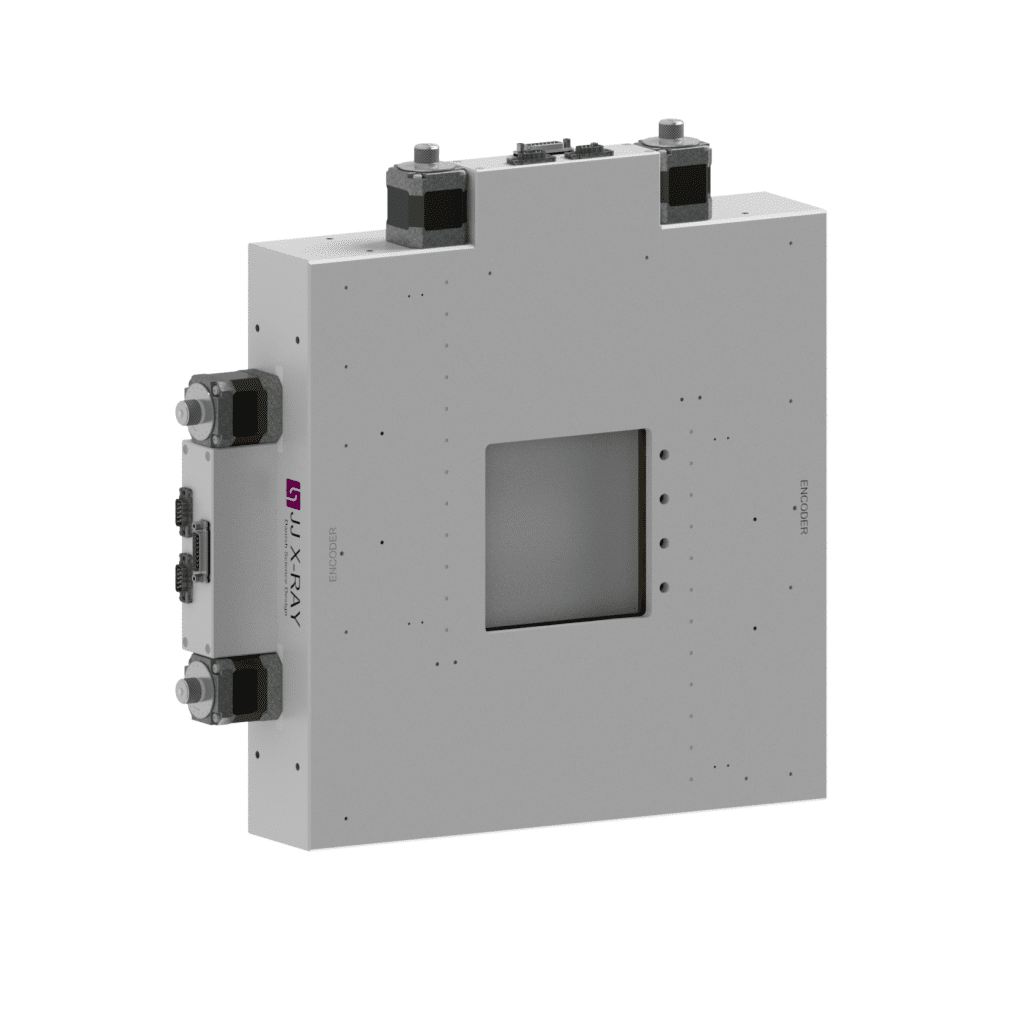
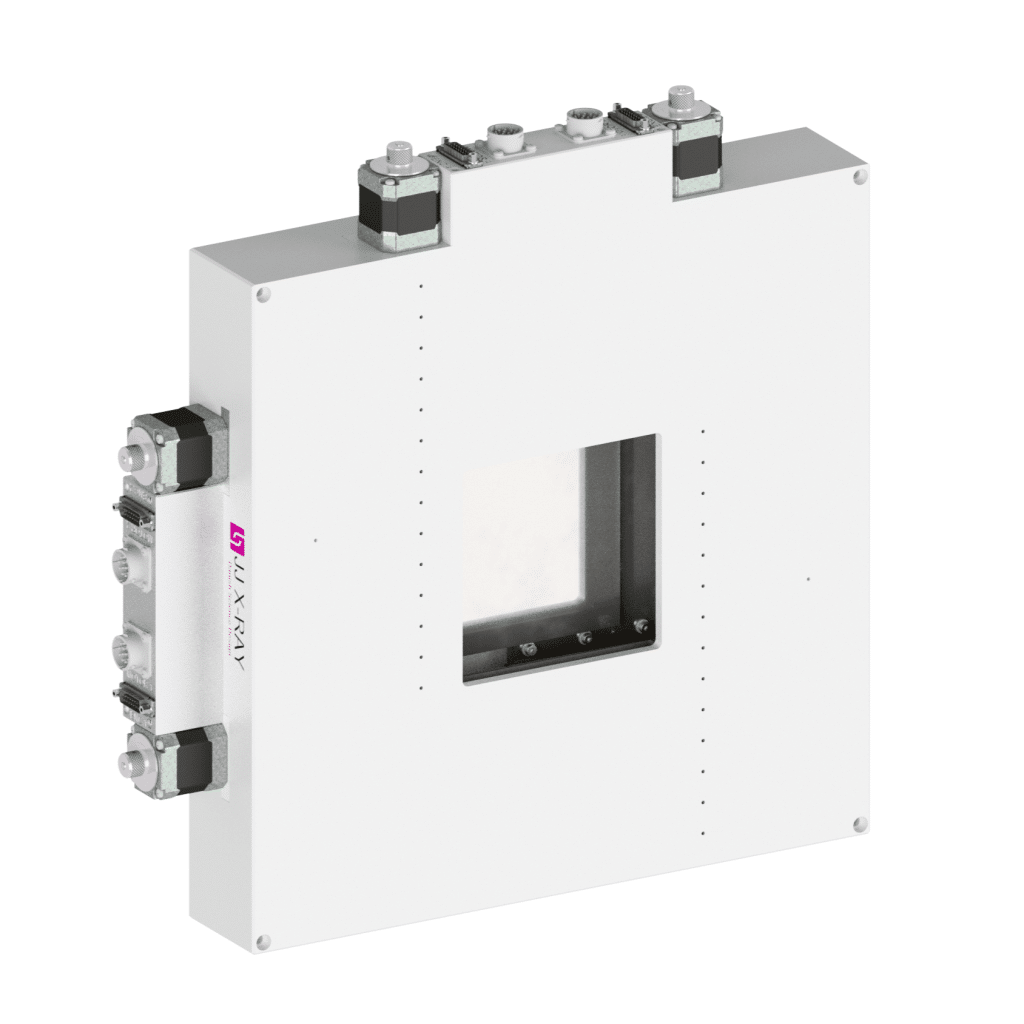
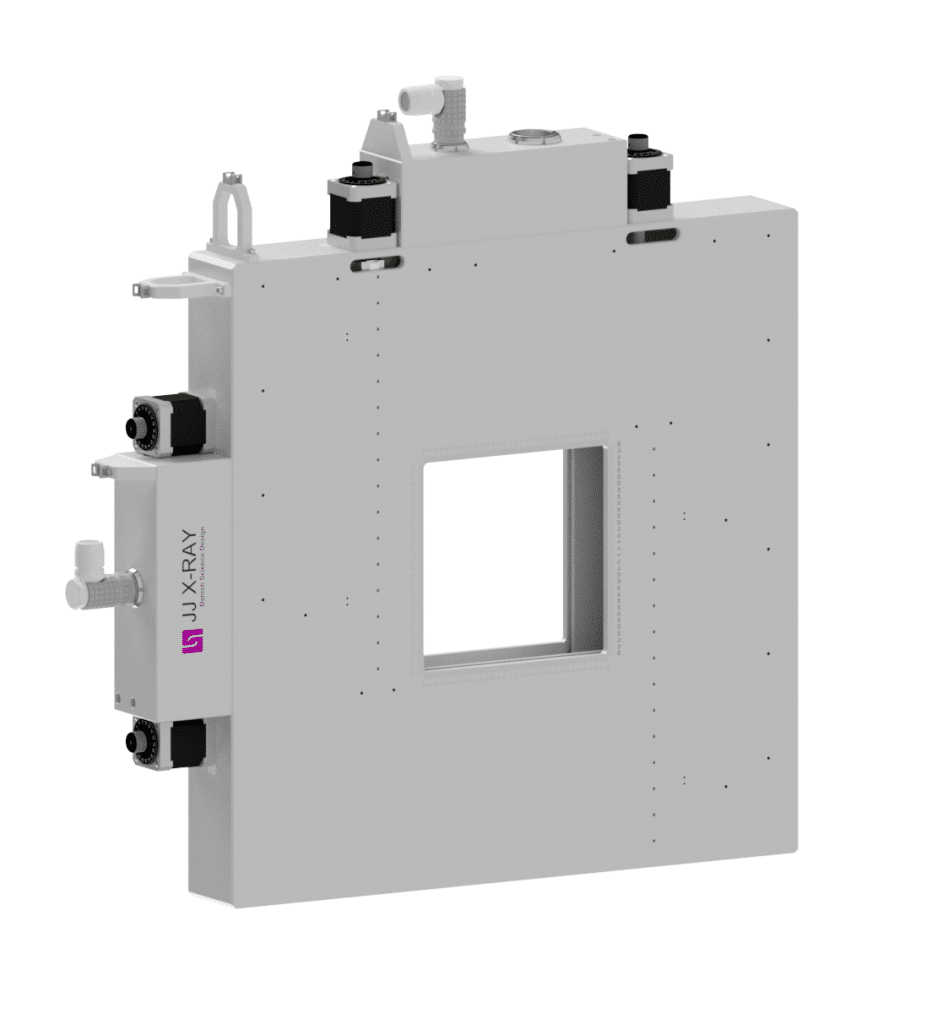
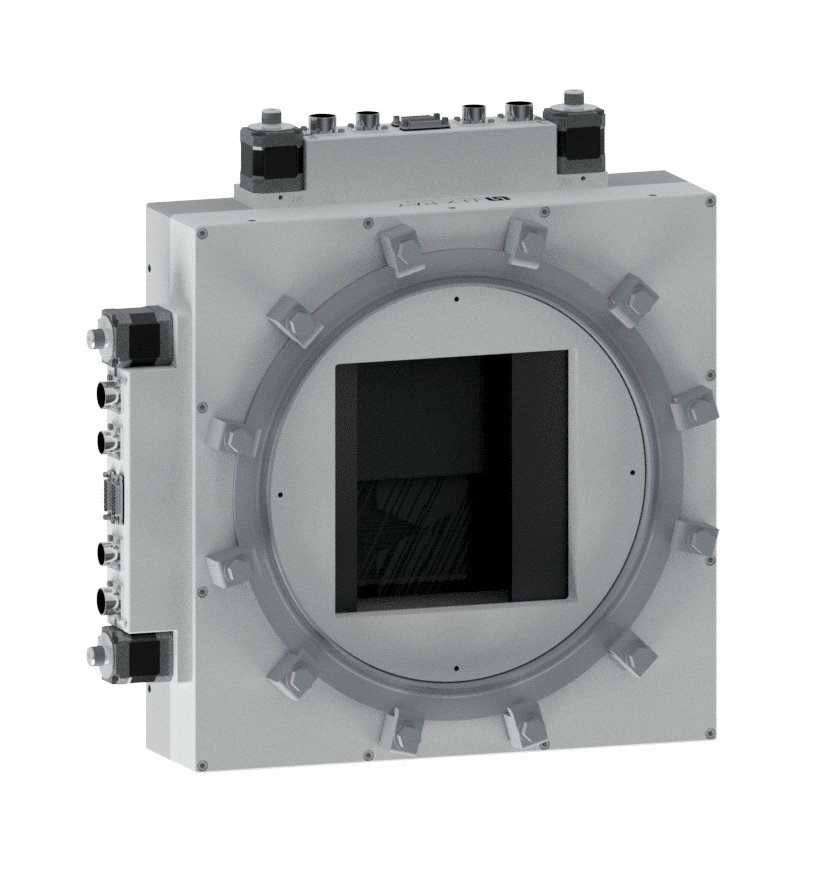
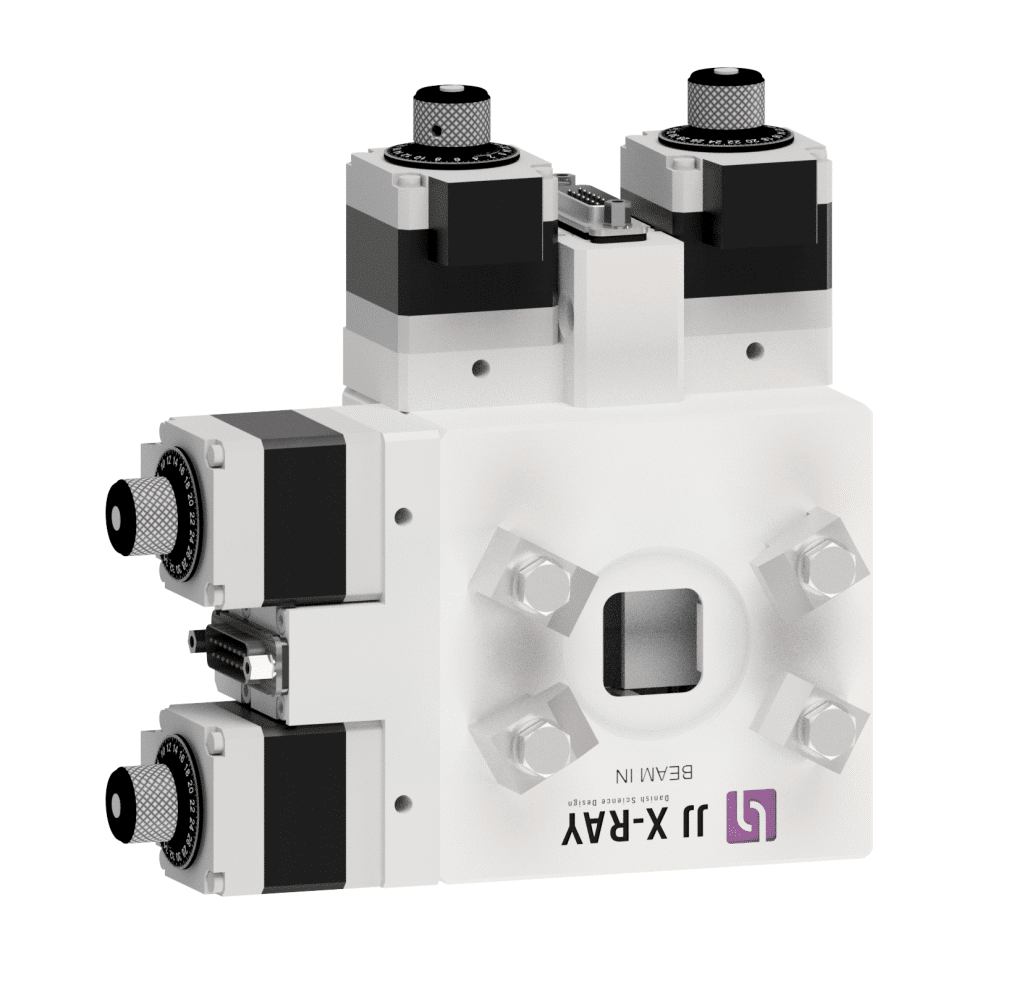
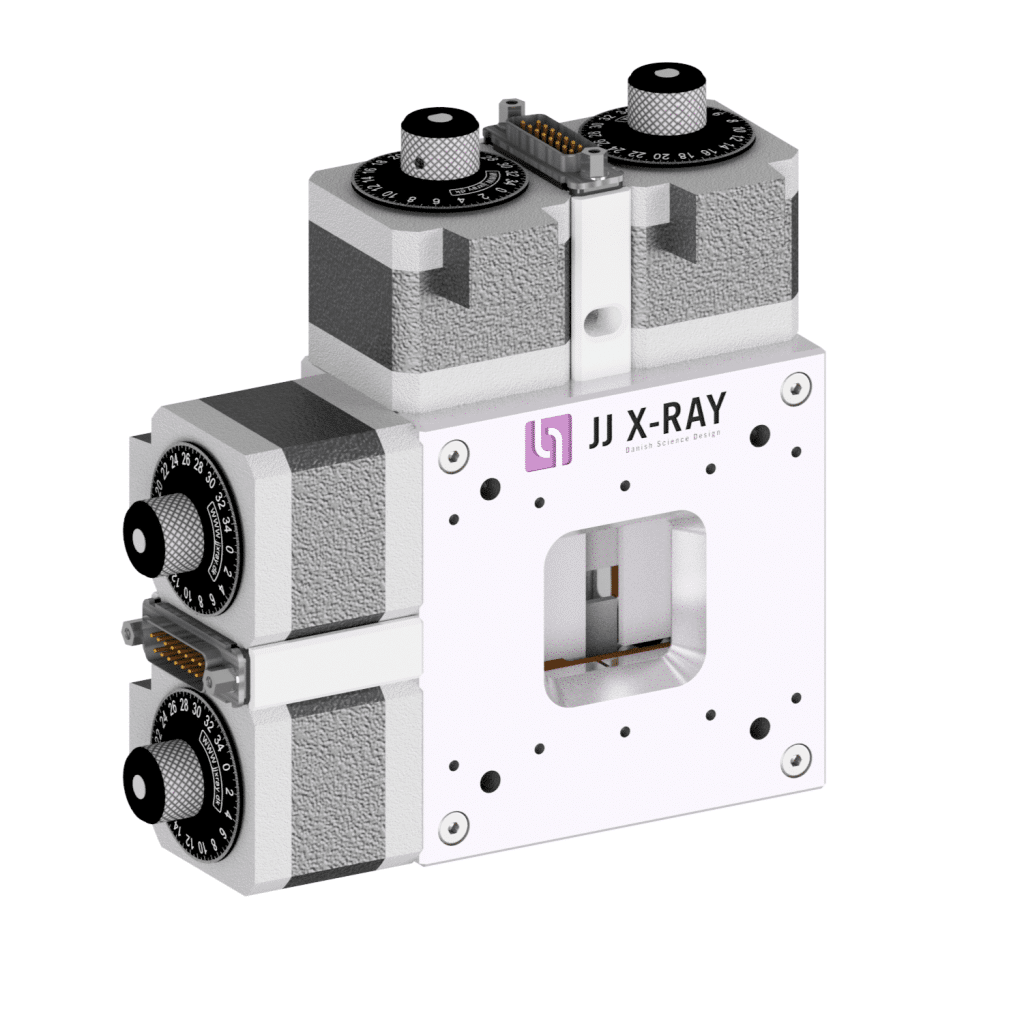
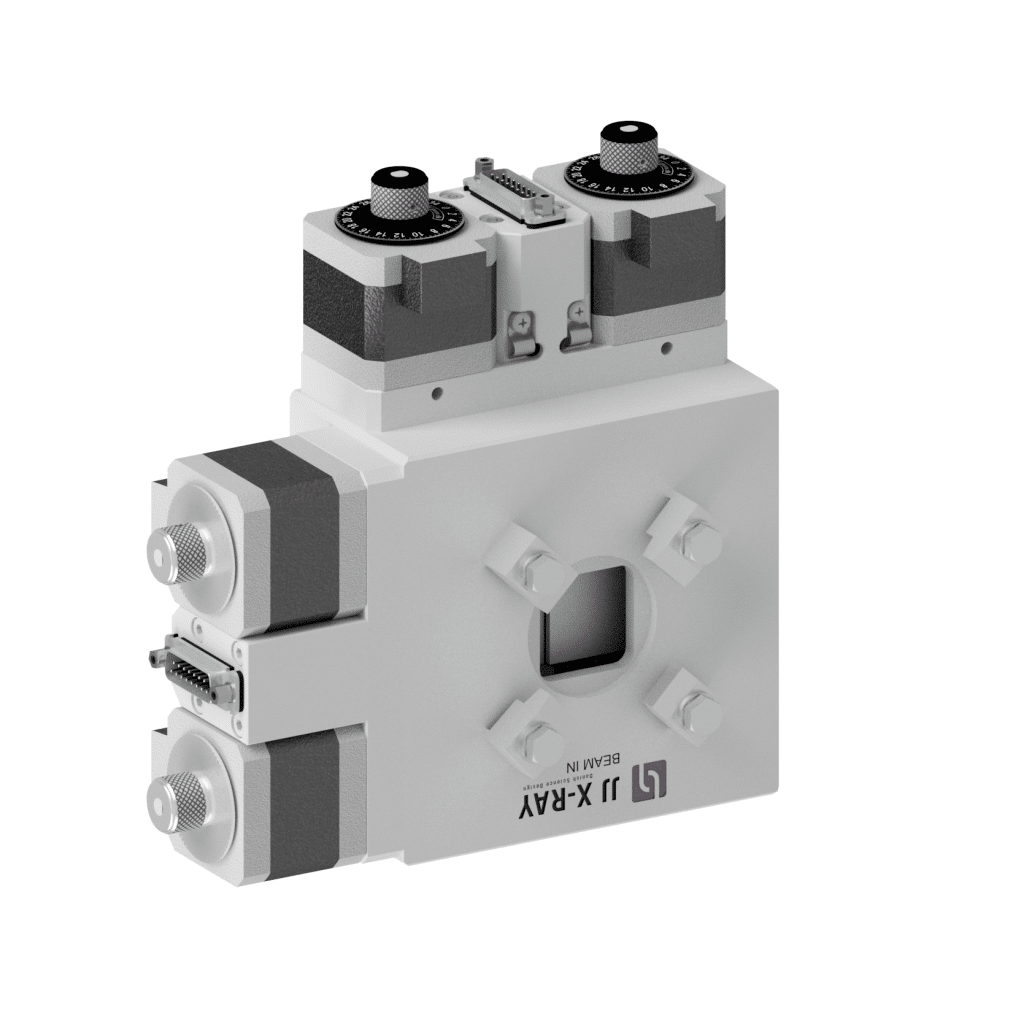
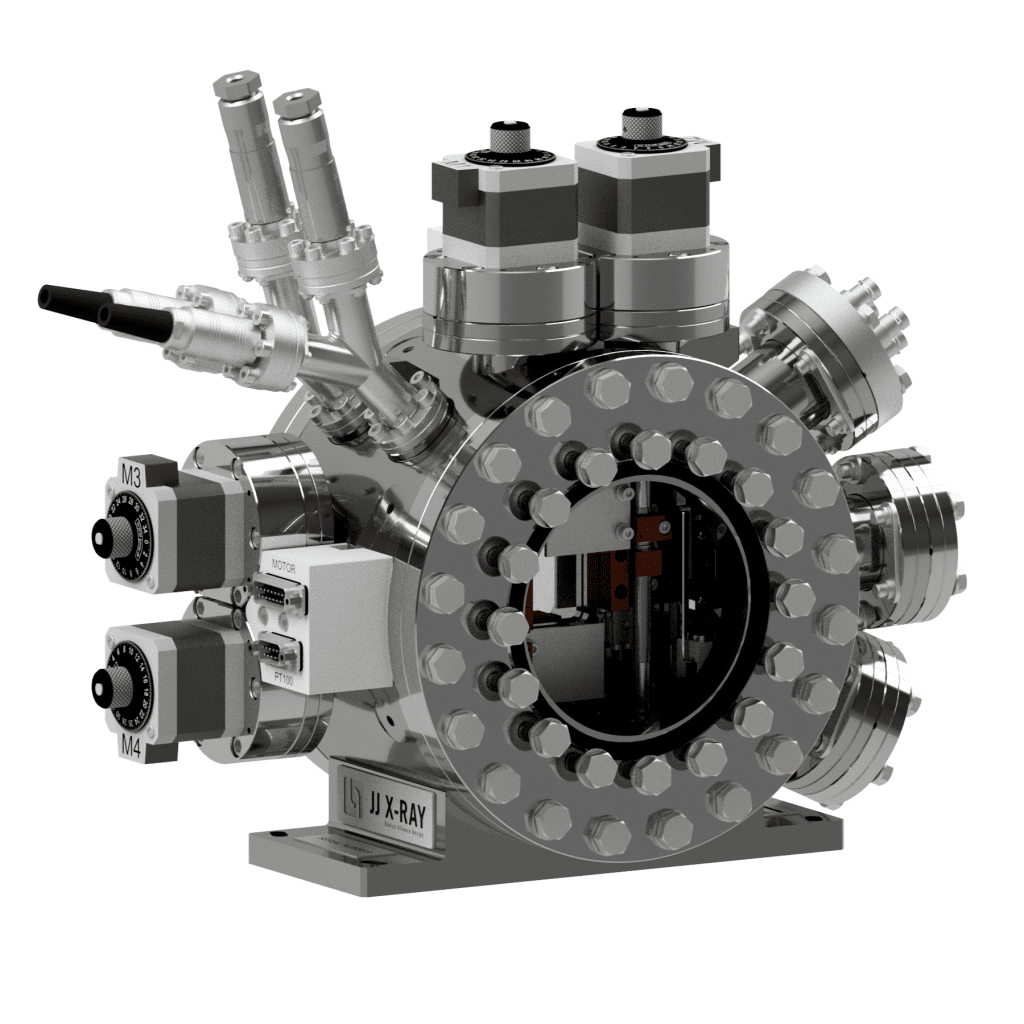








Reference list for
Slit Systems (X-rays / Neutrons)
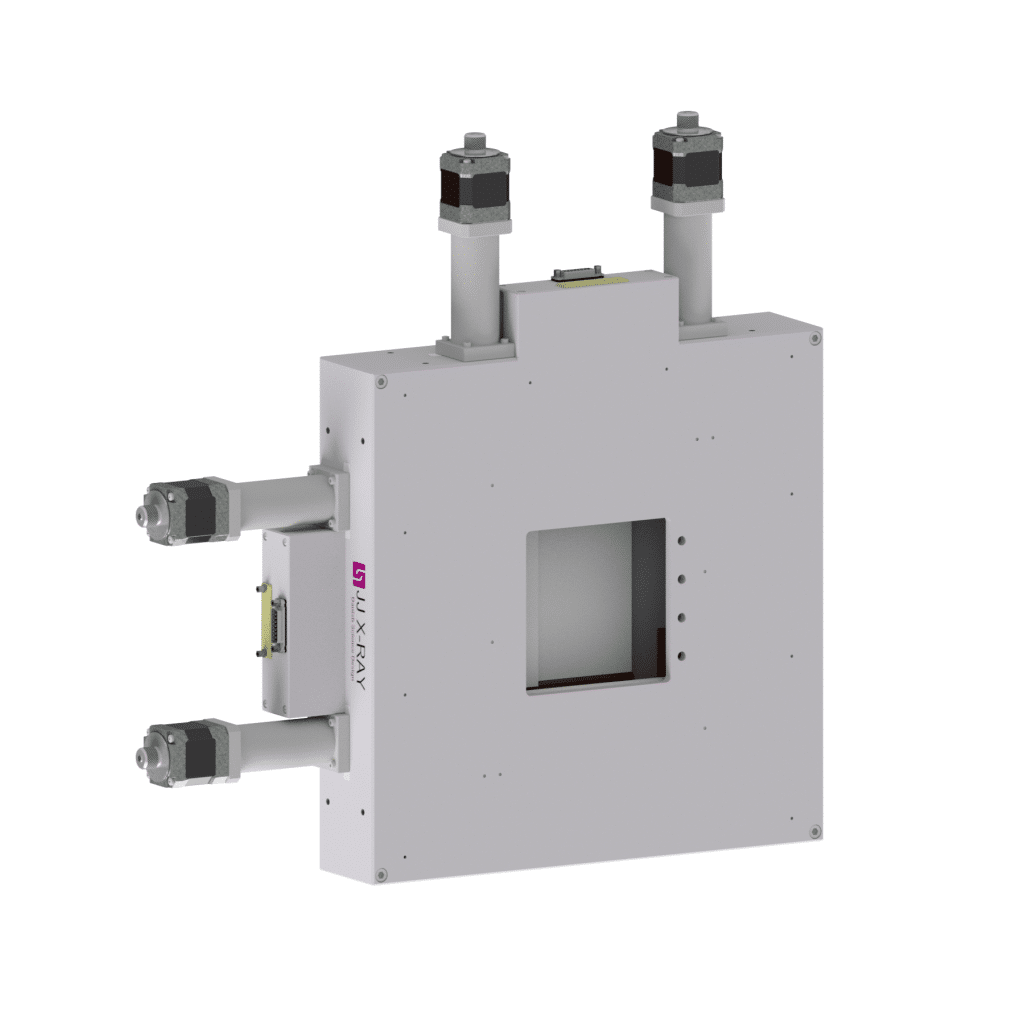
Over the last 25 years, JJ X-Ray has designed a large portfolio of slit systems used at x-ray and neutron facilities all over the world. Our top priority is to give the customer the best solution whether they need the slit system to be standard, modified or customized.

Analyzers / Spectrometers
For more information, please visit the Spectrum Analyzer and Spectrometer product categories.
Attenuators
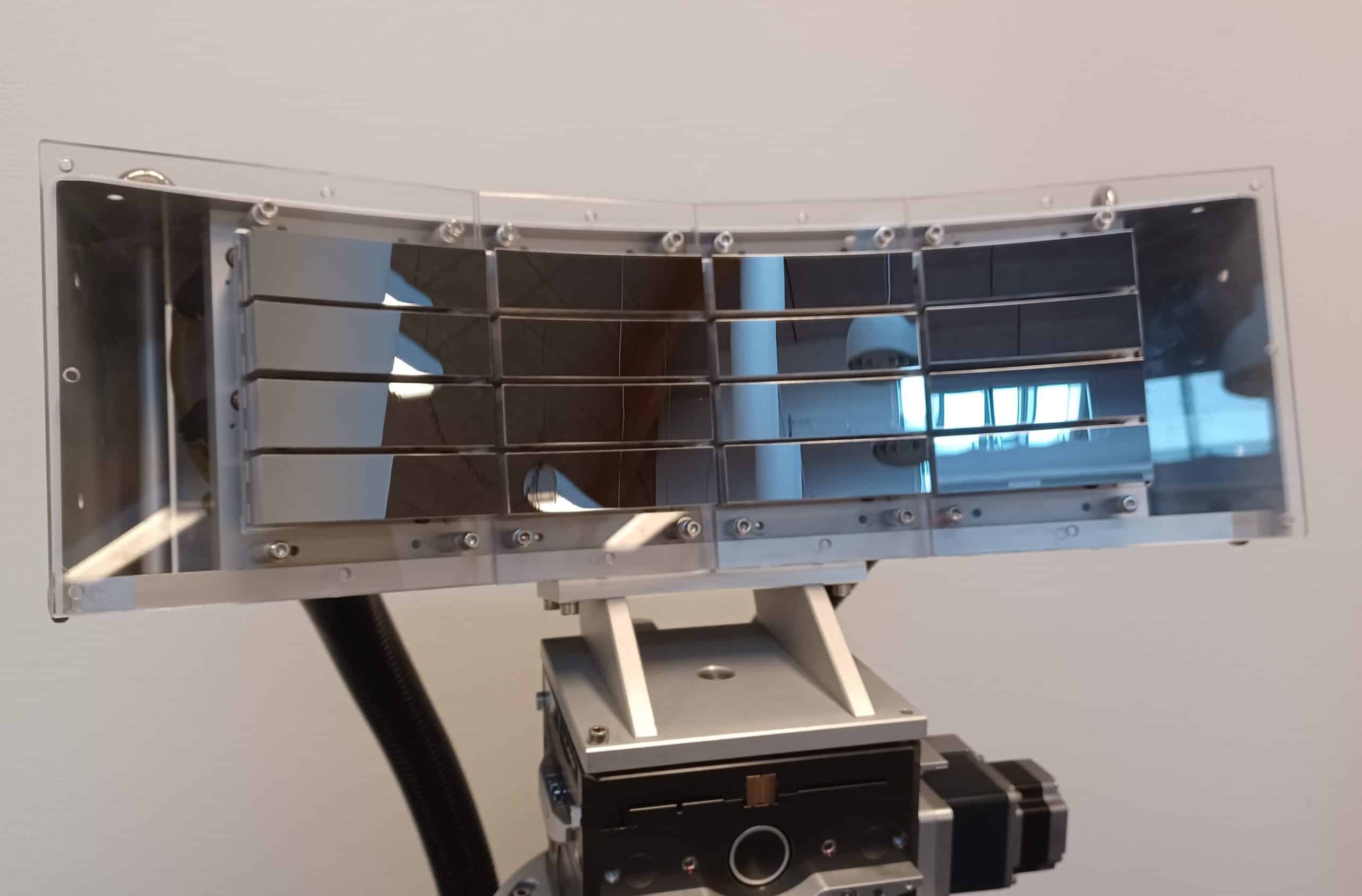
The Solid Attenuator Assembly was originally designed to precisely attenuate the XFEL beam intensity in several different circumstances: In cases where the full intensity would be harmful, or would create thermal distortions on downstream x-ray optical devices, and to adjust the beam intensity delivered to the sample for fluence or intensity-dependent experiments.
For more information, please visit the Attenuator product categories.
Beam Diagnostics
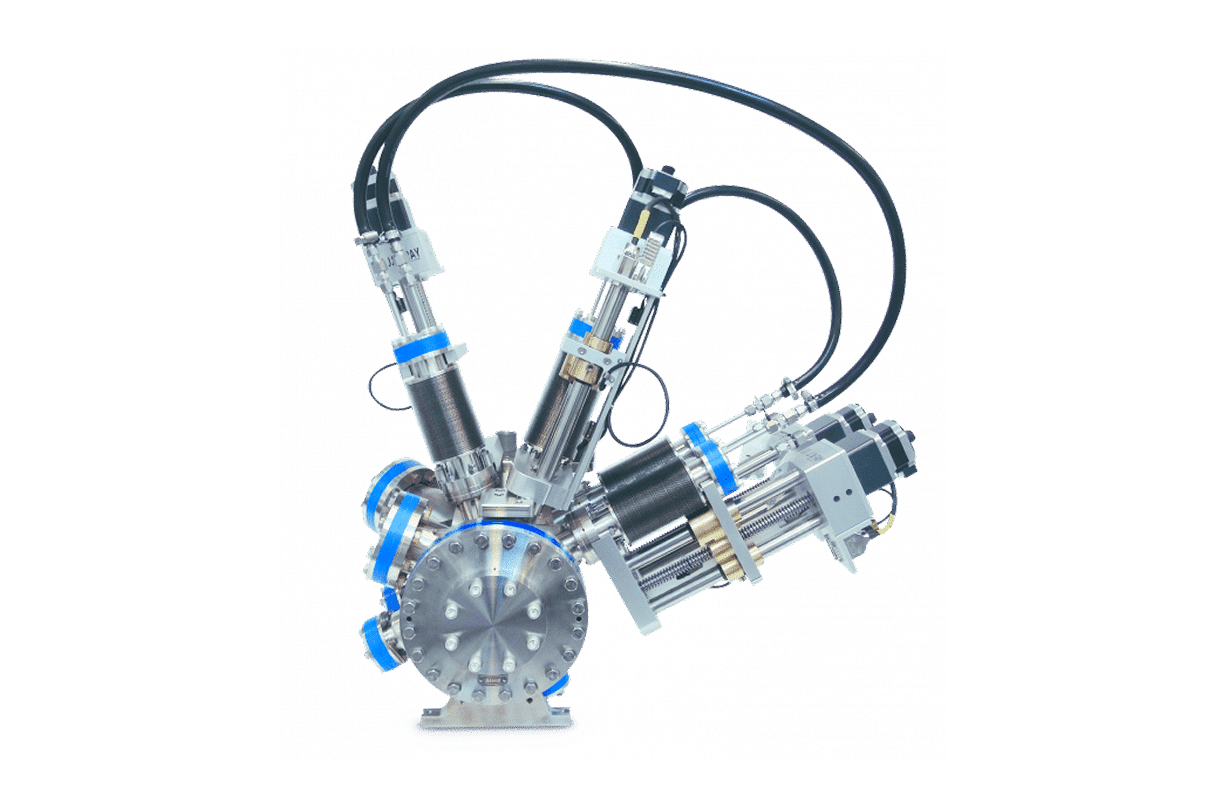
JJ X-Ray offers a range of cutting-edge products designed to enhance the precision and reliability of X-ray analysis systems. Diagnostic and analytic tools are essential for accurately measuring and analyzing X-ray beams, ensuring optimal performance across a variety of applications.

Collimators (X-rays / Neutrons)
All collimators are based on a custom design and are divided into three categories defined by the orientation of the foils.

Control Systems
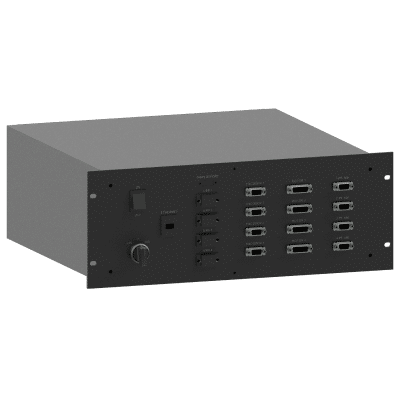
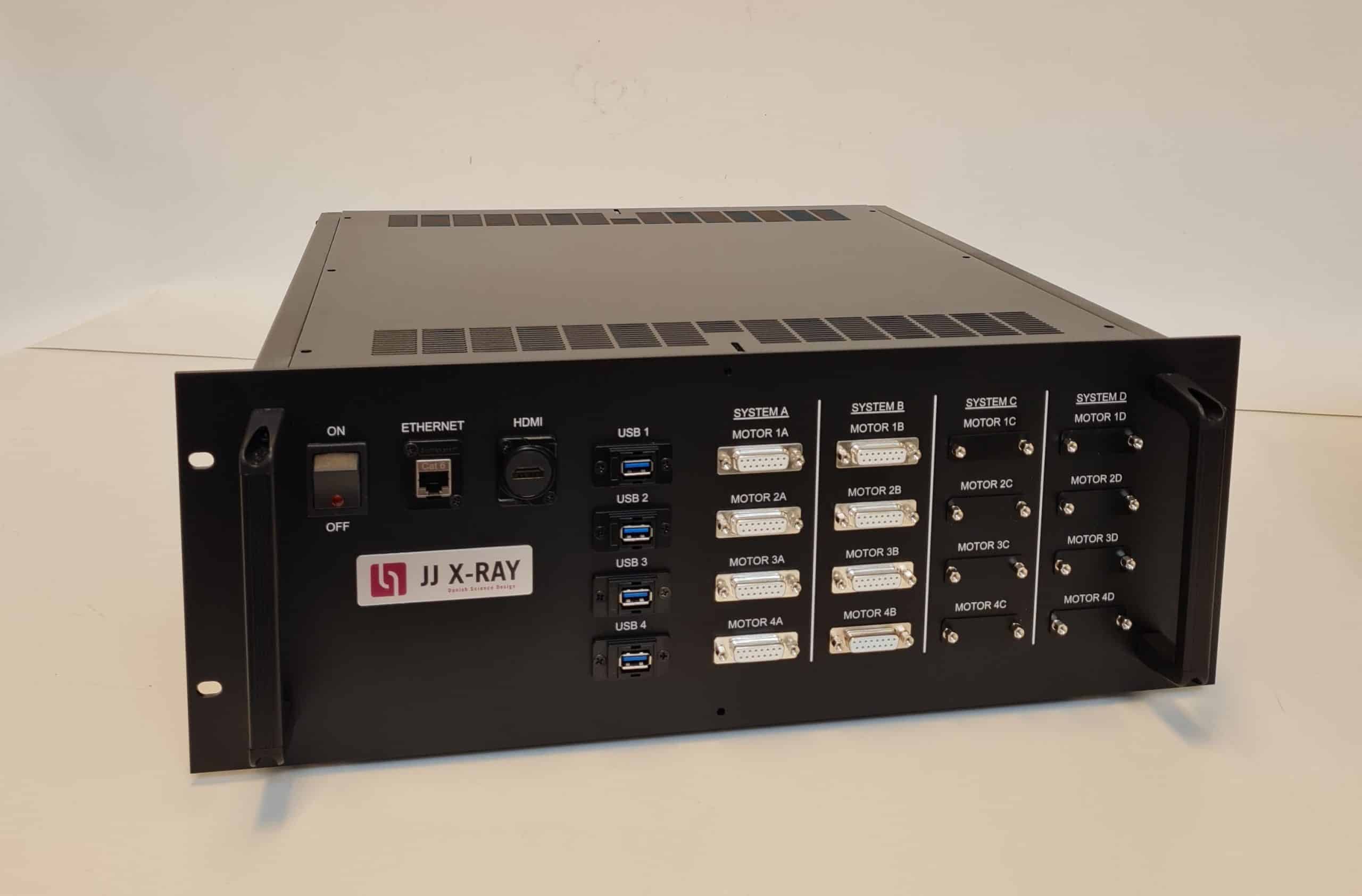
JJ X-Ray provides comprehensive PLC solutions designed to enhance the integration and functionality beamline equipment. Our expertise in motion control and programmable logic controllers (PLCs) enables us to develop tailored automation systems that meet the specific demands in terms of precision and safety of scientific instrumentation in research environments.
Custom Solutions
When working on complex or custom projects, we always work in close collaboration with the customer to make sure all requirements are met, and projects are executed in a timely manner.

Diamond Lenses
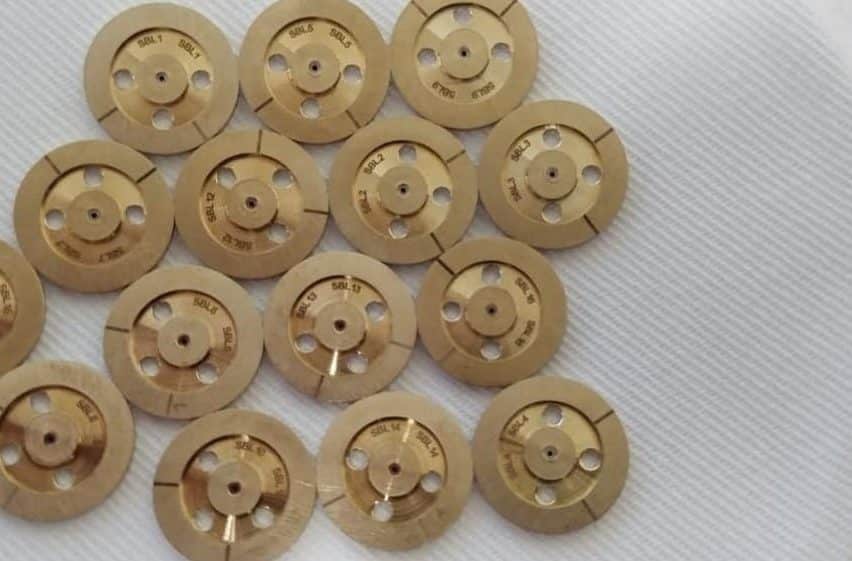
Single crystal diamond lenses are claiming an increasing share of the market for synchrotron optics. Especially for applications with high energies and where coherence preservation is important, their high thermal stability and conductivity as well as their low background scattering have been proven to be important assets.
Full Beamlines
At JJ X-Ray, we have a long history of designing and producing various types of beamline components as well as complete solutions for our customers.
A typical beamline consists of different types of optics, monochromators, attenuators, beam diagnostics, and beam defining slits. For a beamline solution, these diverse types of components need to be intelligently designed and integrated to provide the optimal x-ray or neutron beam for your desired experiment.

Fixed Masks
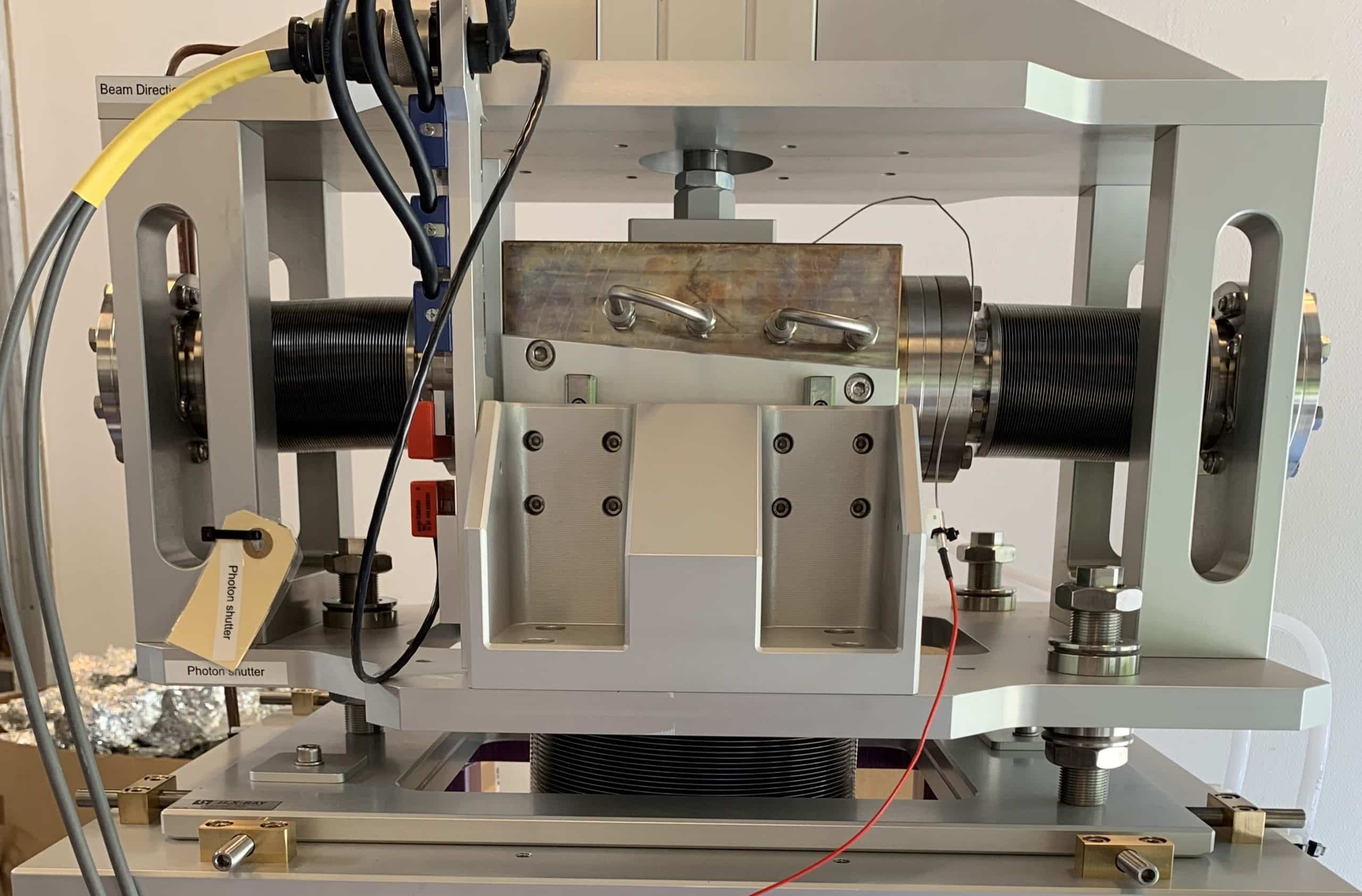
The white beam mask can be used in the front end or as a cost effective alternative to the white beam synchrotron slit. The white beam mask consists of two Cu alloy blocks with tapered square cutouts that can be moved vertically and latteraly such that each of the blocks from one-half of the vertical and one-half of the horizontal beam definition (like two L’s opposing each other).
Monochromators
JJ X-Ray A/S provides a range of monochromators designed for precise control of X-ray wavelengths in various research and industrial applications. Monochromators are essential for selecting specific wavelengths from an X-ray beam, improving the quality and resolution of diffraction and spectroscopy measurements.

Mirror Systems
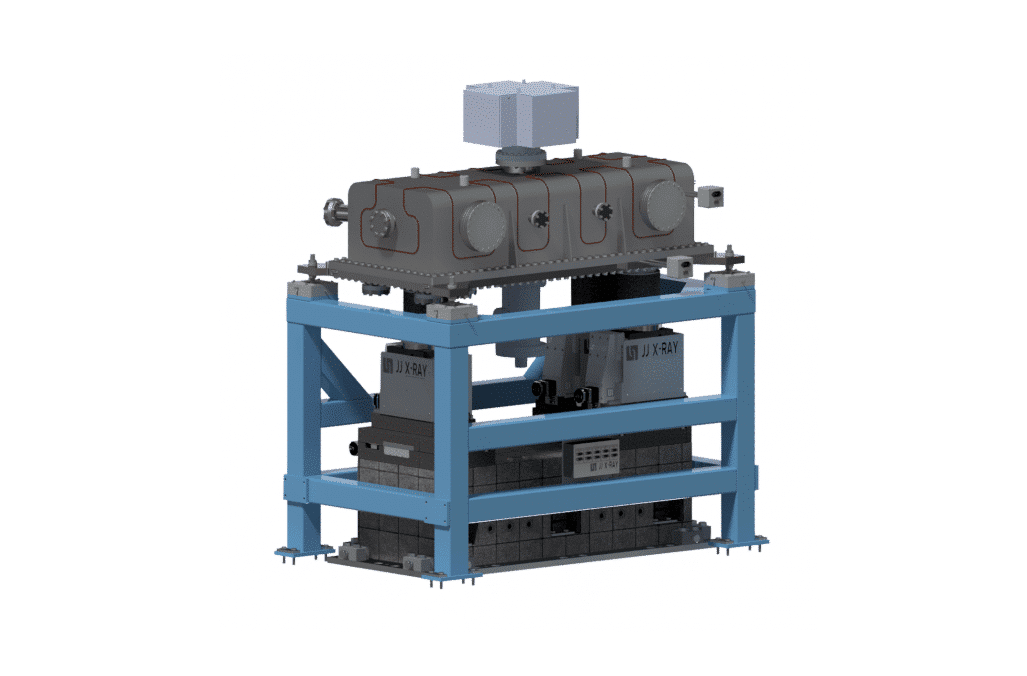
The precision and accuracy with which X-ray focusing mirrors are positioned are crucial to all experiments on the beamline. The mirror positioning system needs to reflect the relevant photon beam from the storage ring without the interference of vibrations from the environment. Selection of the desired beam redirection requires submicron size linear translations as well as pitch, roll and yaw motions in the microradian range.
CRLS / Transfocators
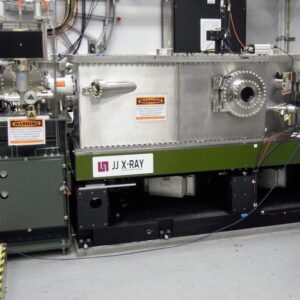
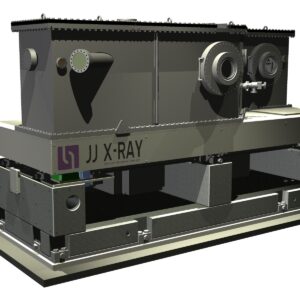
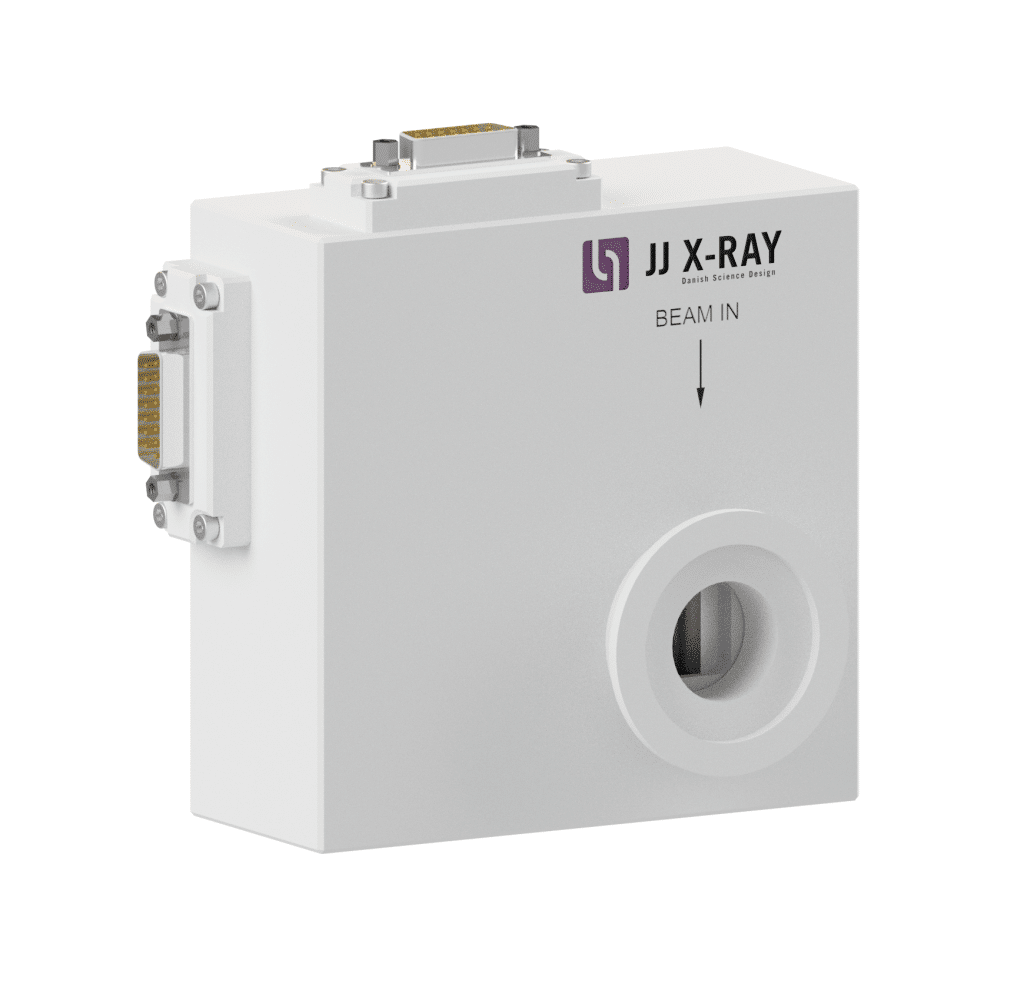
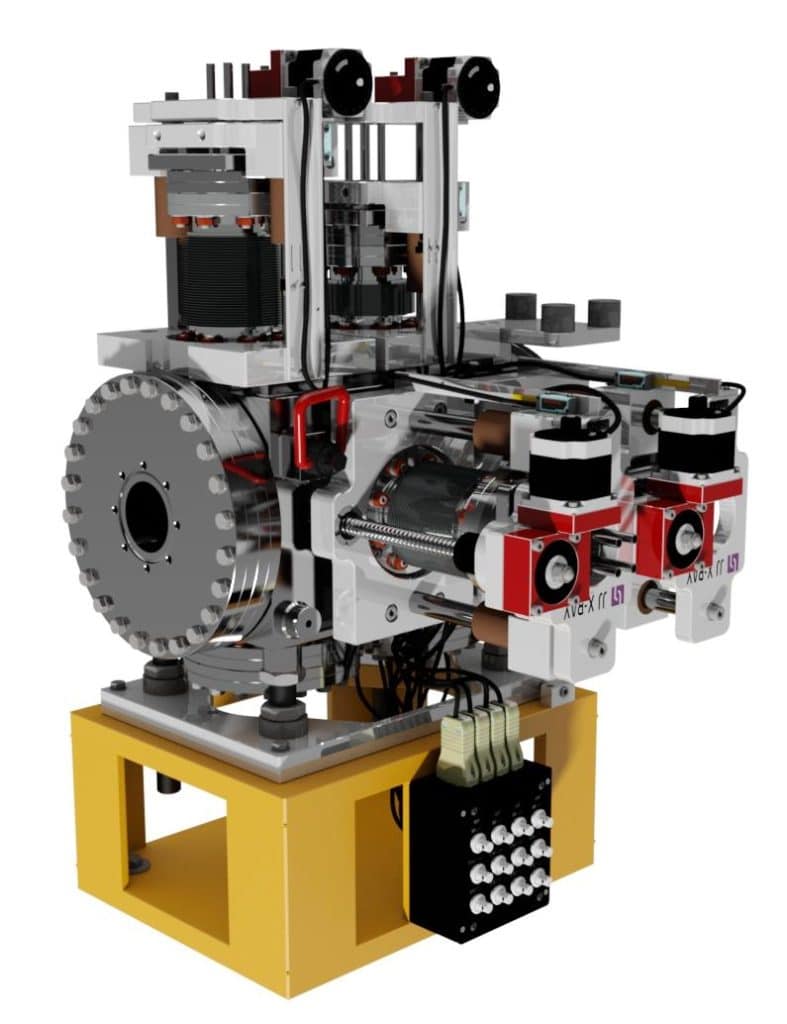
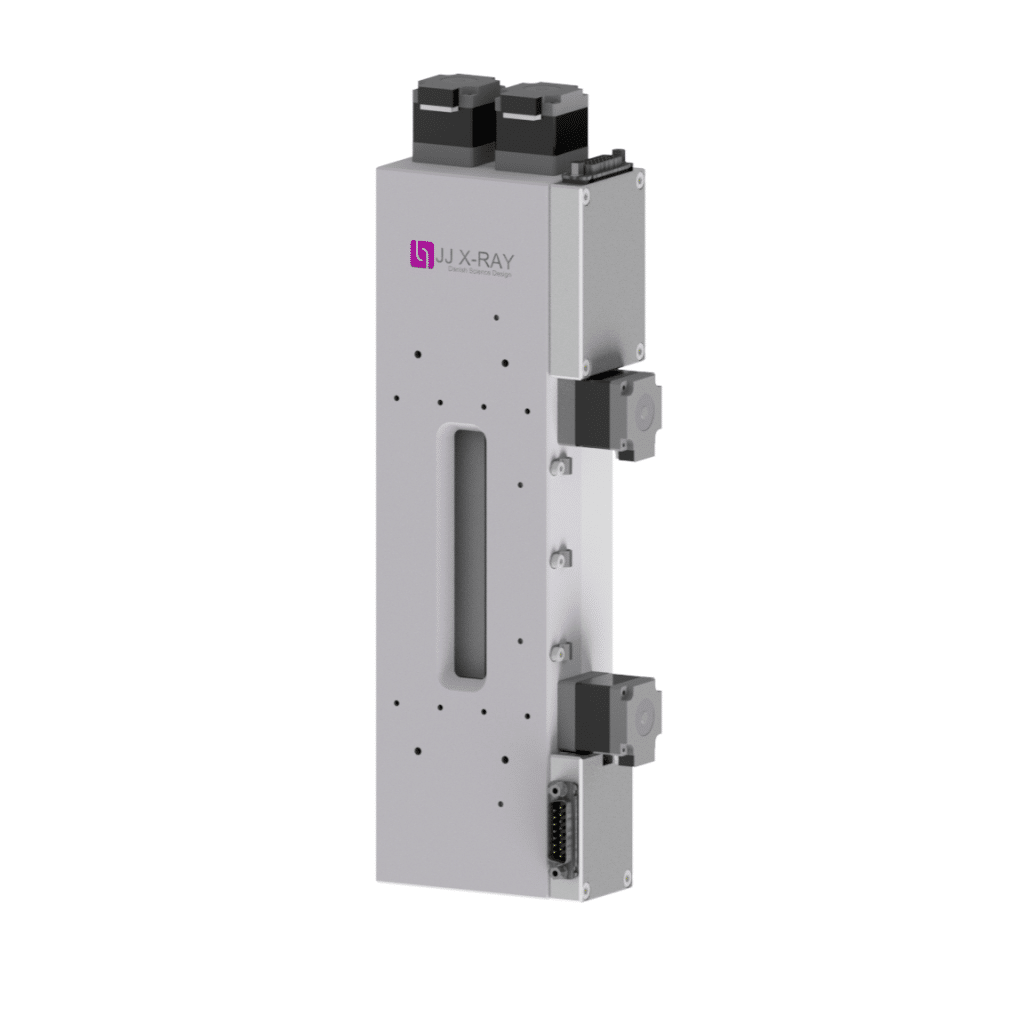
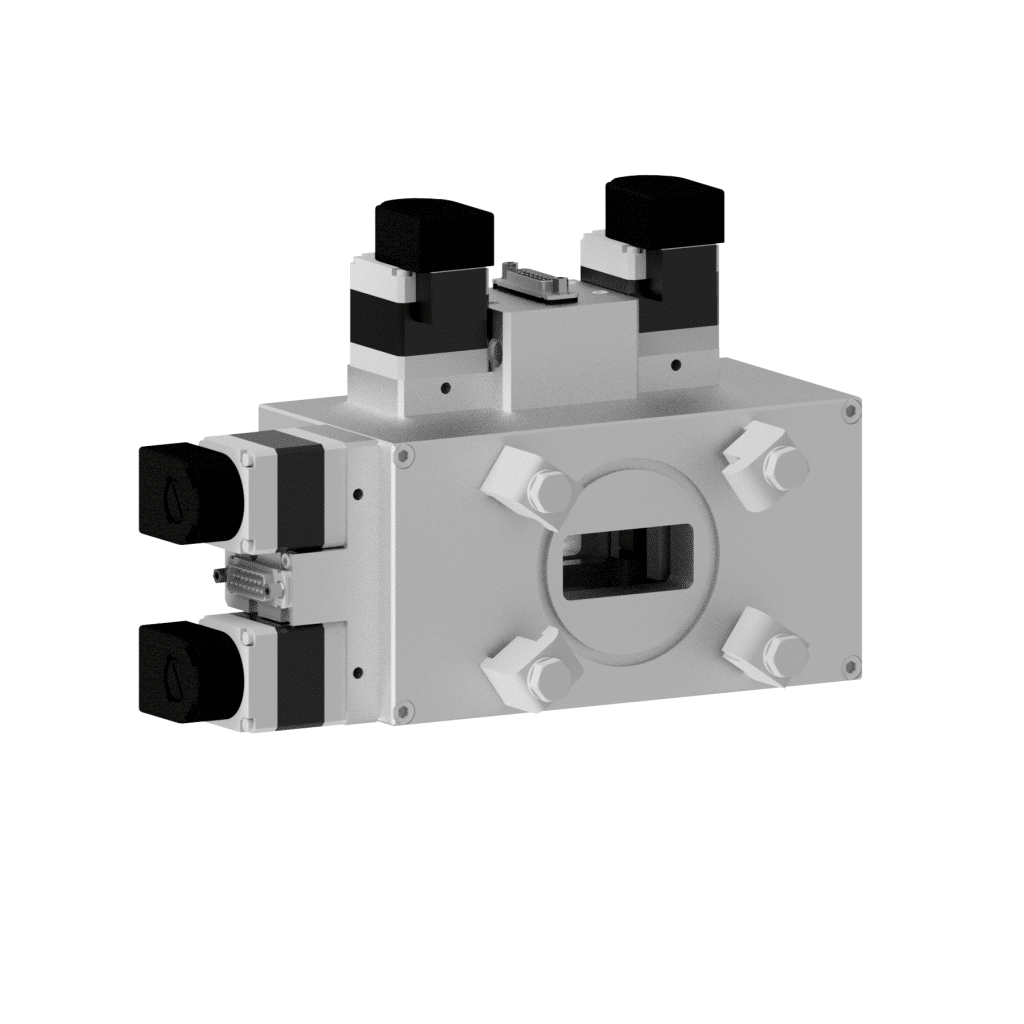
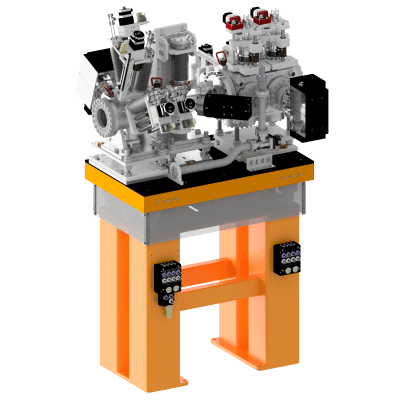
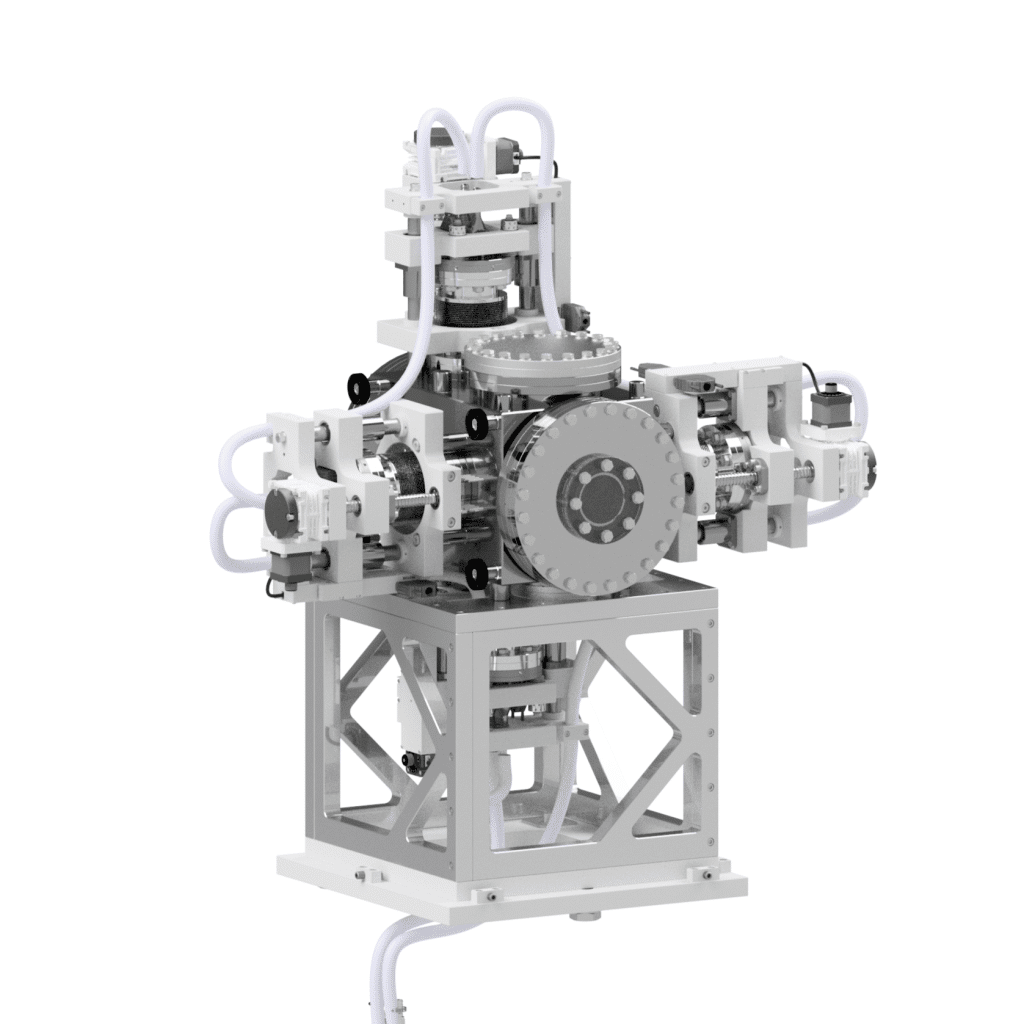
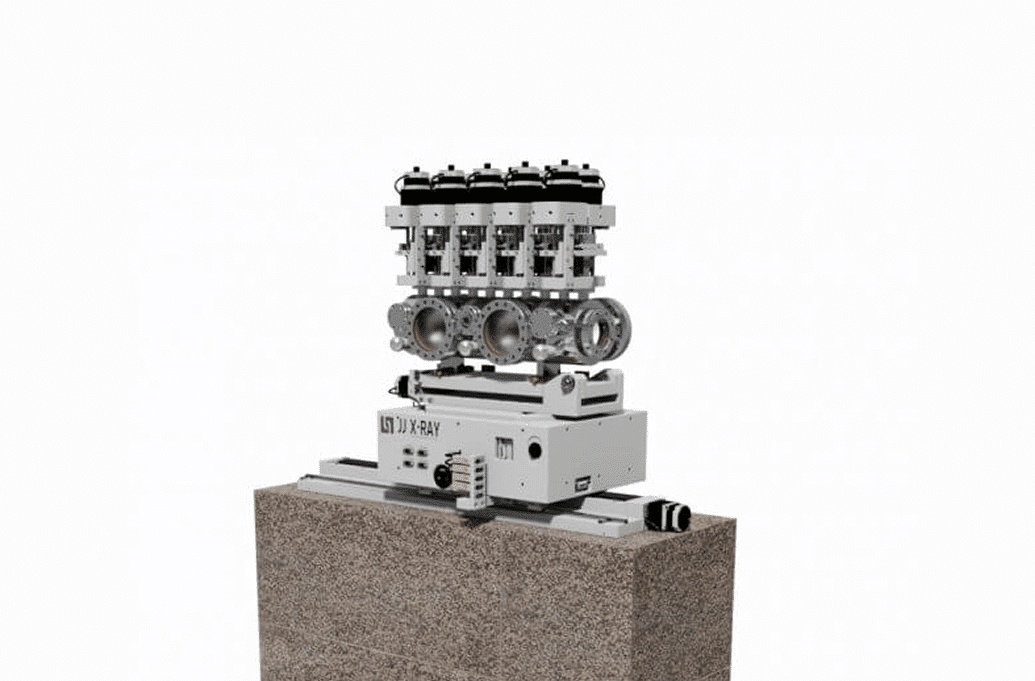
A transfocator is a versatile X-ray optical device that uses compound refractive lenses (CRLs) to focus or collimate X-ray beams. By inserting different combinations of lens cartridges into the beam path, the total number of lenses—and thus the focal length—can be precisely controlled. This allows quick adjustment for different beam energies, spot sizes, and working distances. Designed for use in air or vacuum, transfocators are ideal for synchrotron and laboratory applications, offering stable, compact, and tunable X-ray beam focusing.
Positioning Systems (X-rays / Neutrons)
JJ X-Ray offers an extensive selection of positioning systems, designed for exact motion and endurance with a focus on scientific sector. Achieving groundbreaking results hinges on precise control, and our systems deliver reliable, repeatable motions for a variety of applications.

Shutters and Stoppers
Read more
Transfocator Systems
Our CRL systems are divided into three main categories:
- Water-cooled; for white, or pink, beams
- Braid cooled; for pink or multilayer-monochromatic beams
- Uncooled; for monochromatic beams
CRL BENEFITS
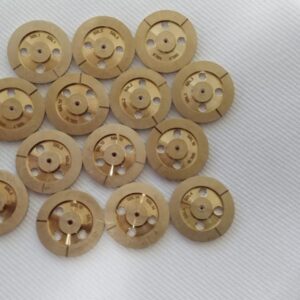
Compound Refractive Lenses (CRL) are used as collimating or focusing elements in x-ray beamlines on FELs and synchrotrons. A CRL is typically used on a hard x-ray beamline with the lens material being Be, Al, or Ni as the energy increases. Since autumn 2019, lenses of single crystal diamond material have been available as well. The refractive lenses can either be shaped as a rotated parabola, and focus in 2D, or as a cylindrical parabola, and focus in 1D. To learn more about the offered lens options, please see our sections on standard lenses (Al, Be, and Ni) and diamond lenses.
A key feature of CRL focusing is that it is significantly less sensitive to vibrations than for instance mirror focusing: The moment transfer of a reflective mirror and a refractive CRL is given as below, where k is the wave vector, ϑ is the incidence angle (or angular vibration), N is the number of lenses (typically between 10 and 100 lenses are used), and δ is the real part of refractive index (which is a material and energy-dependent number, but usually it is in the order of 10-6), see figure for a visual representation of the moment transfer:
Mirror Q = 2k sin ϑ
CRL Q = N½ k δ
By this, it can be deduced that lenses are in the order of at least, for all practical purposes, 100 times less sensitive to vibrations. The same principle can be applied to surface contaminations, so CRLs are basically insensitive to, for instance, carbon depositions.
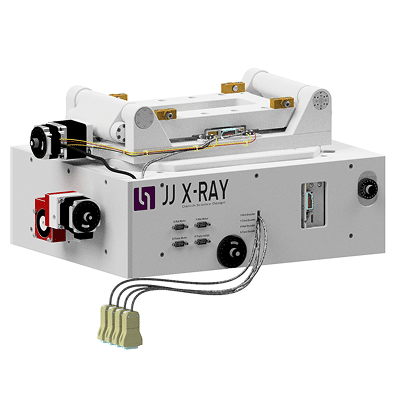
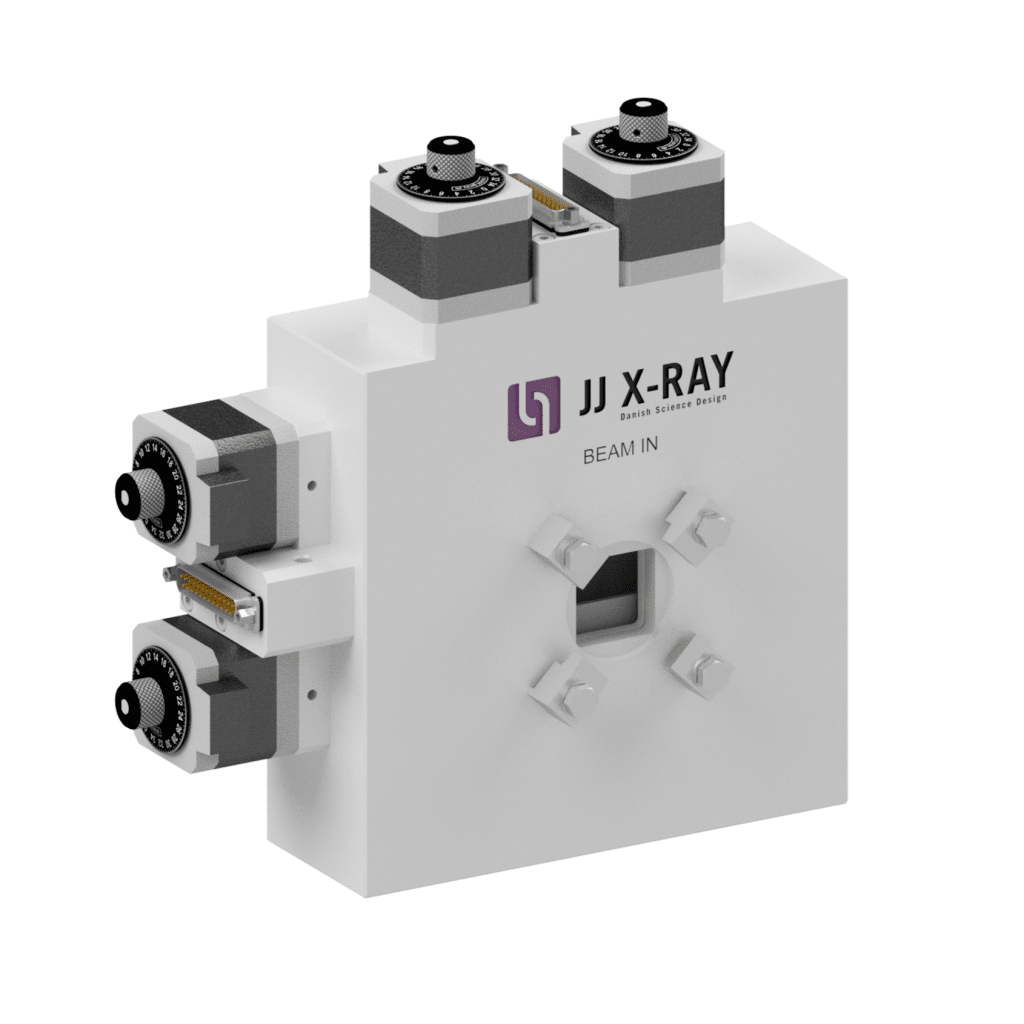
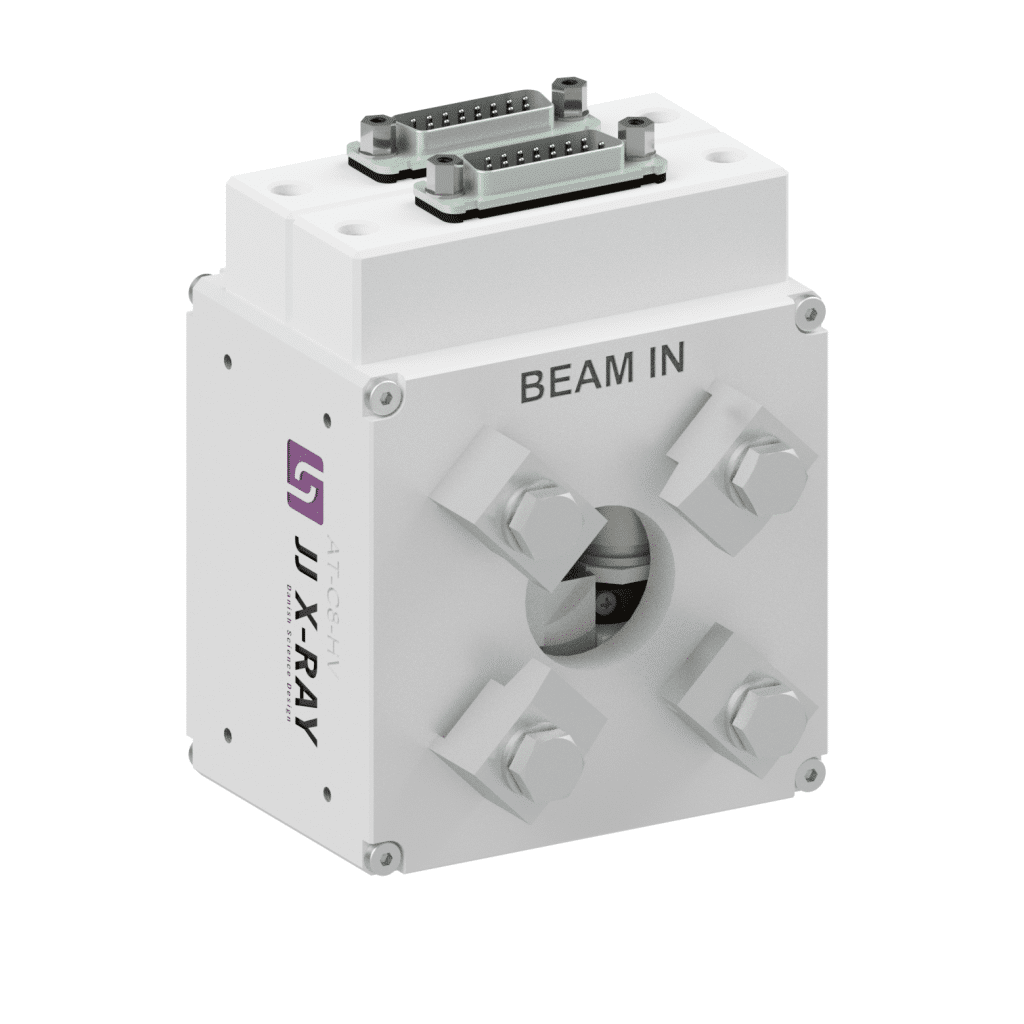
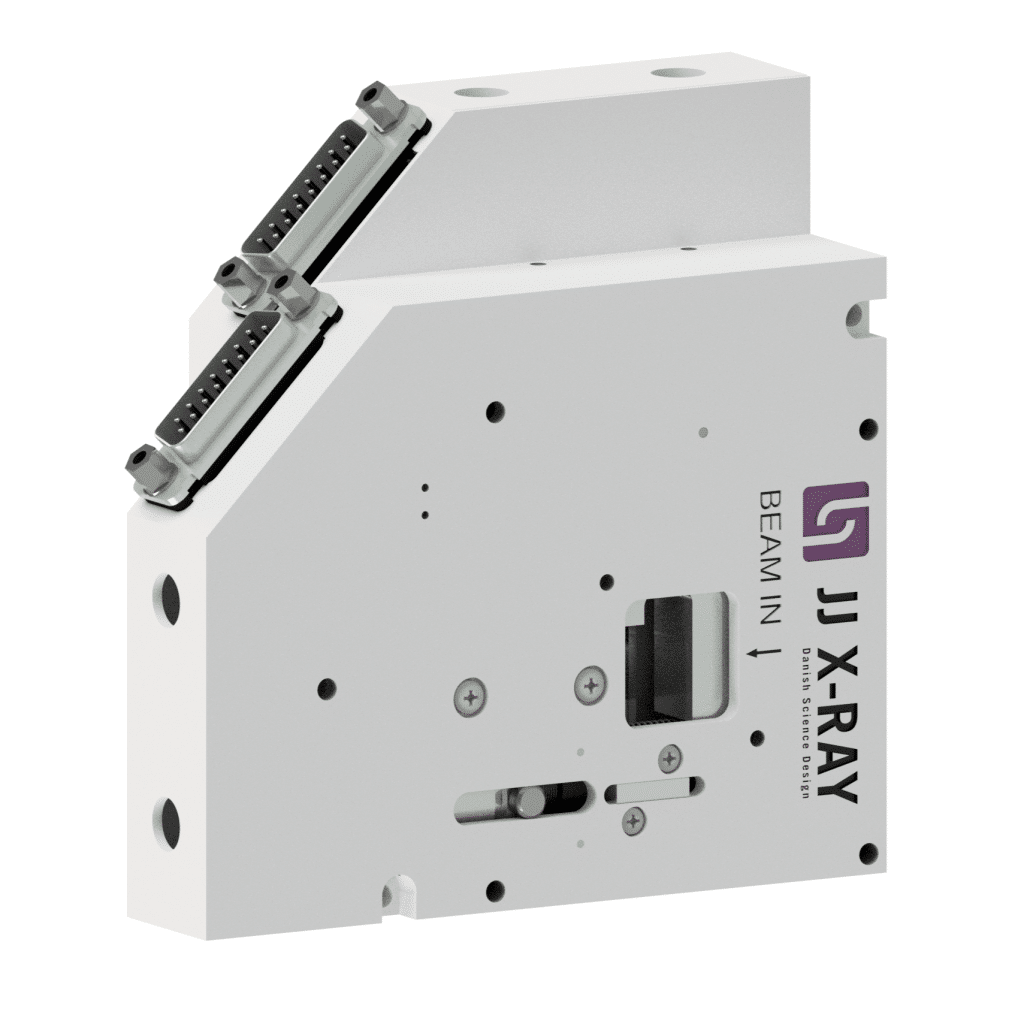
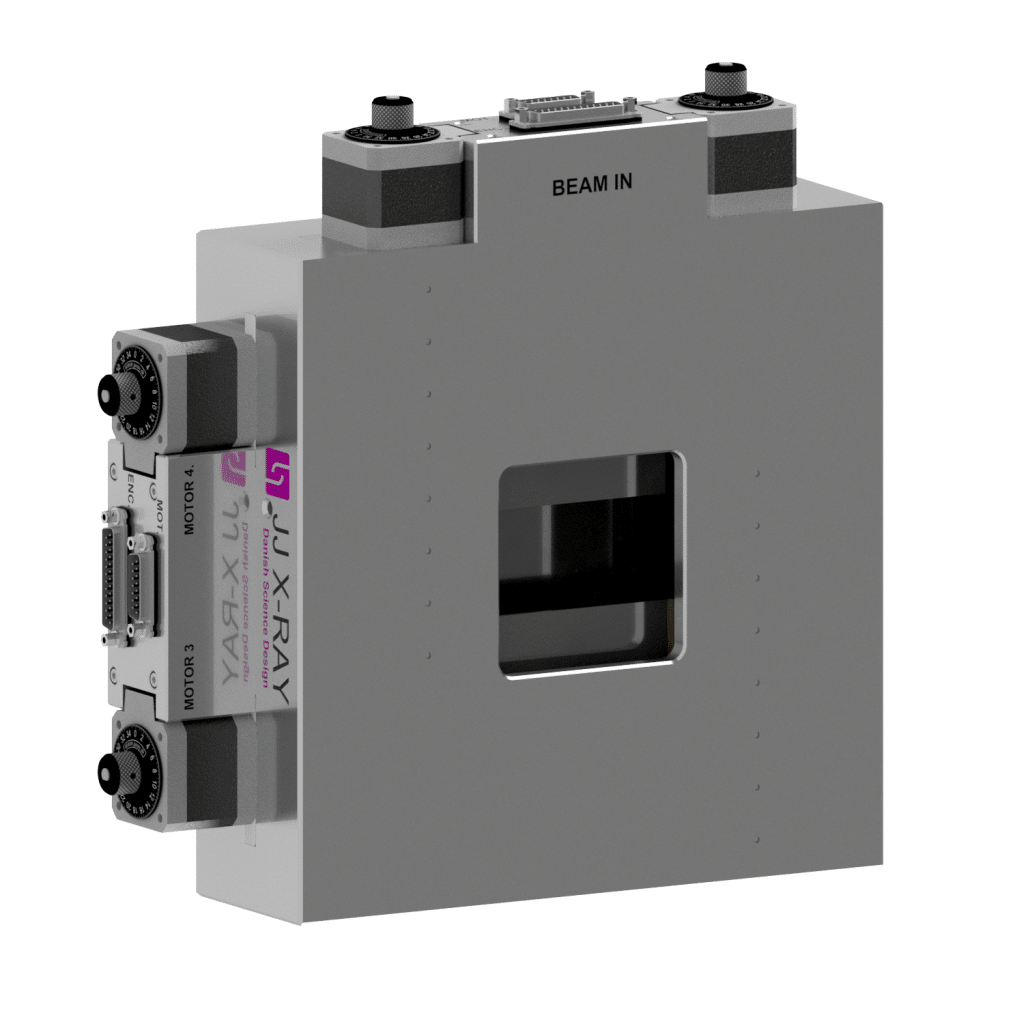
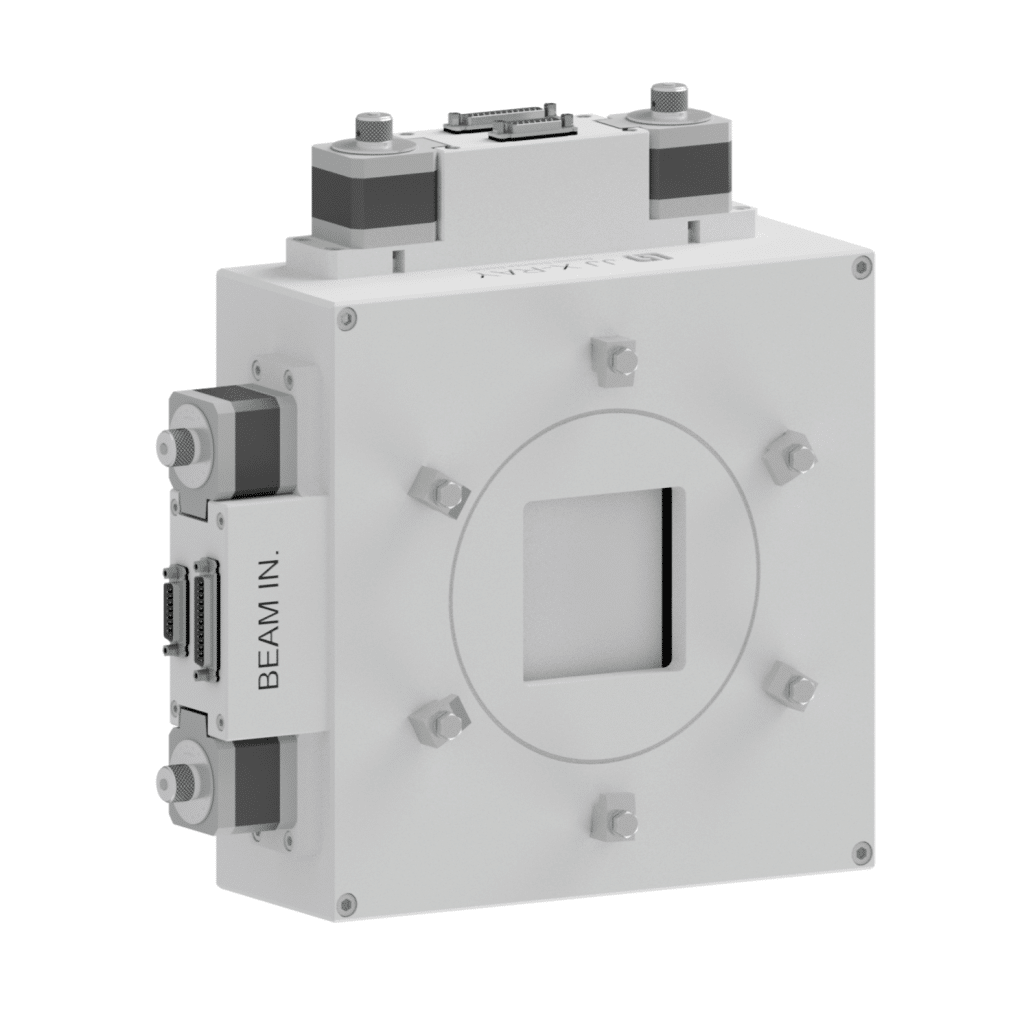
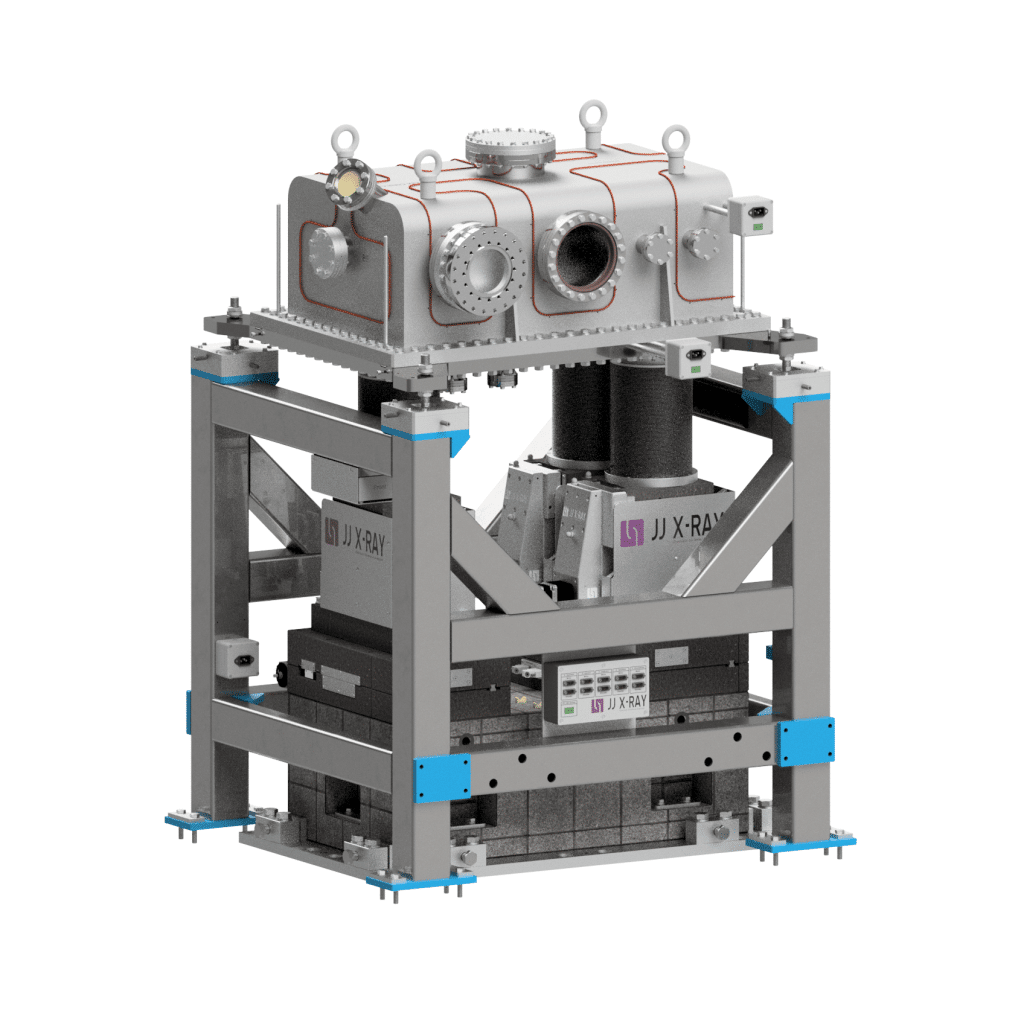
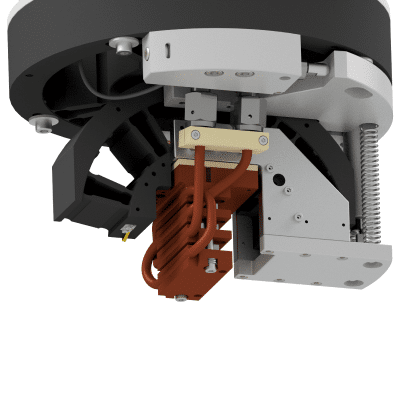
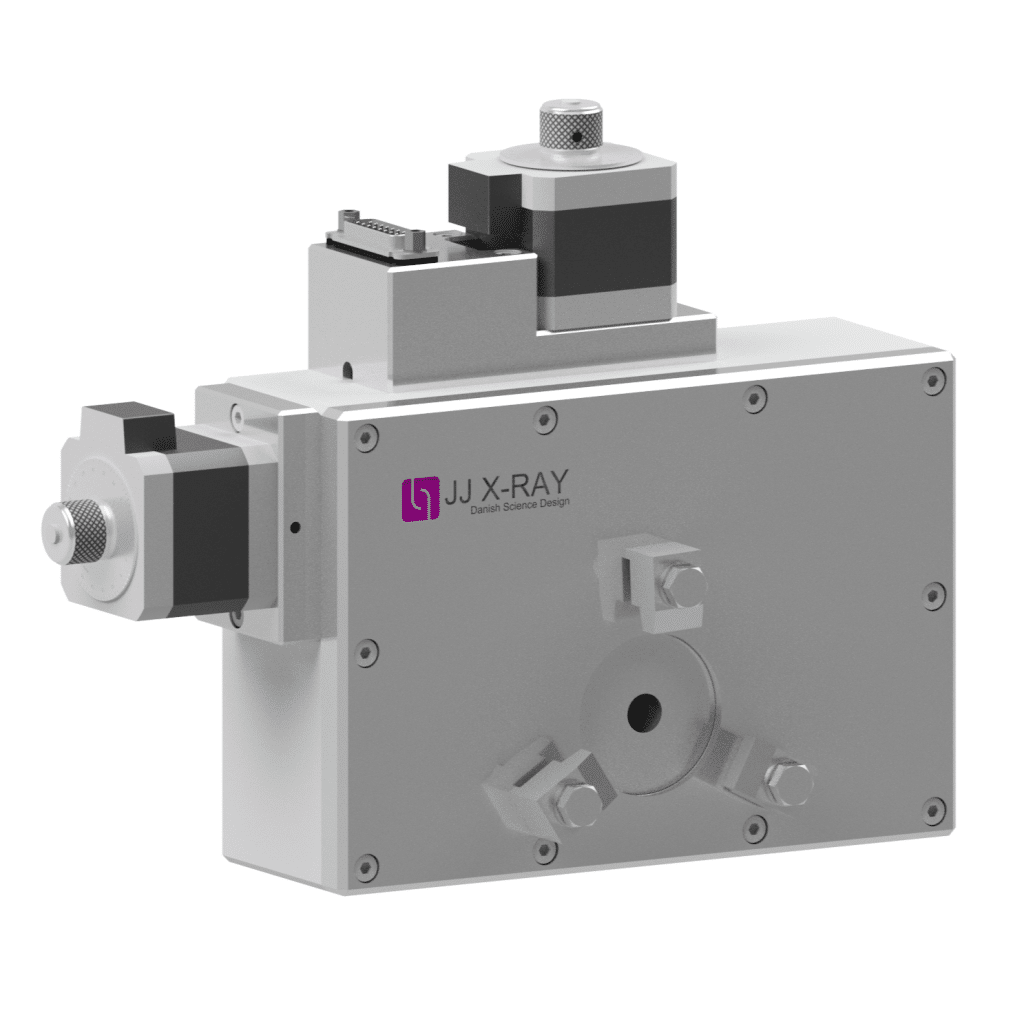
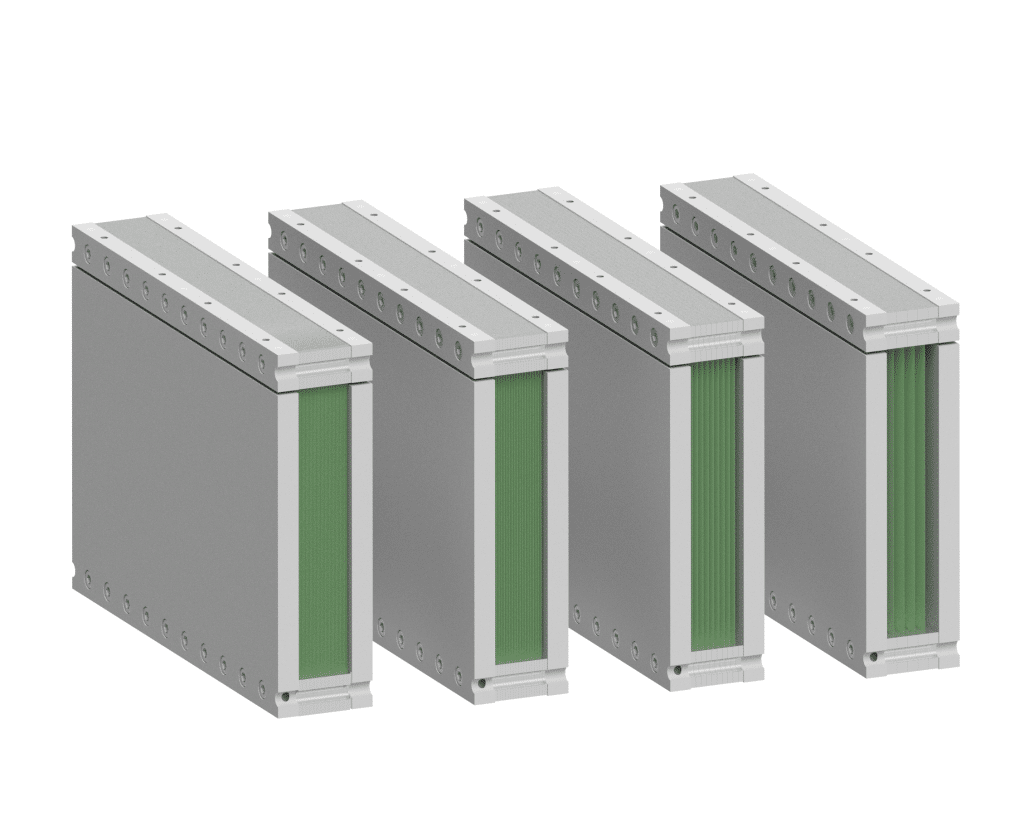
Various CRL types are offered (see pictures to the left). CRL systems are typically delivered with a five-way transfocator system offering; pitch, yaw, lateral, vertical, and longitudinal motion of the CRL vessel.
The systems are generally modular in design and can be scaled relatively freely. We also have smaller setups that are typically used for beam collimation.
Categories:
Technical Specifications
For more technical details, please contact us.